
Pineapple


1. Introduction: Discovering the Wonderful World of Pineapple
Pineapple is one of the world’s most recognisable tropical fruits, celebrated for its golden-yellow flesh, refreshing sweetness, distinctive aroma, and vibrant appearance. Scientifically known as Ananas comosus, this remarkable fruit has become a favourite among people of different cultures and backgrounds. Whether enjoyed fresh, blended into a refreshing drink, incorporated into a delicious meal, or transformed into a sweet dessert, pineapple offers a delightful combination of flavour, nutrition, and versatility.
Originally native to South America, pineapple gradually spread across the world through exploration, trade, and agricultural development. Today, it is cultivated in many tropical and subtropical regions, including Southeast Asia, where favourable temperatures, sunlight, and growing conditions support its production.
Countries such as Malaysia, Thailand, Indonesia, the Philippines, and Costa Rica are associated with pineapple cultivation and the international fruit trade. Pineapple has become an important agricultural product, supporting farmers, food manufacturers, exporters, and businesses throughout the global supply chain.
Beyond its attractive appearance and delicious taste, pineapple contains essential nutrients, including vitamin C, manganese, dietary fibre, and various naturally occurring plant compounds. Its versatility also makes it a valuable ingredient in traditional dishes, contemporary cuisine, beverages, and processed food products.
From its fascinating botanical structure to its role in healthy eating and international commerce, pineapple is much more than an ordinary tropical fruit. It is a symbol of freshness, hospitality, abundance, and the richness of nature.
2. What Makes Pineapple Unique?

One of the most fascinating characteristics of pineapple is its unusual structure. Unlike many fruits that develop from a single flower, a pineapple develops from a cluster of individual flowers that fuse together to form one large, compound fruit. Each of the small, eye-like sections visible on its outer surface corresponds to part of this complex development.
The pineapple plant itself is equally distinctive. It grows close to the ground, with long, narrow, sword-shaped leaves arranged in a compact rosette. Depending on the variety and growing conditions, the plant produces a central flowering stalk that eventually develops into the familiar fruit.
Pineapples have a tough, textured outer skin, which may appear green, yellow, orange, or a combination of these colours as the fruit develops and ripens. Inside, the flesh is usually golden yellow, although certain varieties have lighter-coloured flesh.
The fruit contains a firm central core surrounded by juicy flesh. While the core is often tougher than the surrounding flesh, it is edible and can be used in cooking, smoothies, juices, or other food preparations.
Another unique feature is the presence of bromelain, a group of protein-digesting enzymes naturally found in pineapple. Bromelain can break down proteins, making pineapple useful as a natural meat tenderiser. However, it can also affect the texture of certain dairy-based desserts if fresh pineapple is added without appropriate preparation.
Pineapple is also relatively rich in water, giving it a refreshing quality that makes it especially enjoyable in warm climates. Its combination of sweetness, acidity, fragrance, and juiciness distinguishes it from many other fruits.
These characteristics have contributed to pineapple’s popularity as both a fresh fruit and a versatile ingredient in food preparation.
3. The Taste and Aroma of Pineapple
The taste of pineapple is one of the main reasons for its worldwide popularity. A ripe pineapple typically offers a balanced combination of sweetness and tangy acidity, creating a refreshing flavour that is both bright and satisfying.
The sweetness comes primarily from naturally occurring sugars, including sucrose, glucose, and fructose. The fruit’s characteristic tanginess is largely associated with its organic acids, which contribute to its lively and slightly sharp flavour.
The balance between sweetness and acidity varies according to the variety, growing conditions, maturity, and storage practices. Some pineapples are exceptionally sweet and mild, while others have a more pronounced sourness that makes them particularly suitable for cooking.
Fresh pineapple has a juicy, tender texture, although its flesh remains firm enough to provide a pleasant bite. Its aroma is distinctly tropical, with fruity, floral, and sometimes slightly caramel-like notes, especially in fully ripe fruit.
When eaten fresh, pineapple provides a refreshing experience. Its sweetness makes it suitable for fruit salads and desserts, while its acidity adds brightness to savoury dishes. This balance is particularly useful in recipes that combine sweet, salty, spicy, and savoury ingredients.
Grilling or roasting pineapple changes its flavour. Heat encourages browning and caramelisation at the surface, producing deeper sweetness and more complex aromas. The result is a fruit that pairs beautifully with grilled meats, seafood, and various desserts.
Pineapple juice is another popular way to enjoy its flavour. It can be consumed on its own or combined with other fruits to create refreshing beverages. Mango, orange, coconut, and passion fruit are particularly complementary ingredients.
The fruit’s distinctive flavour profile makes pineapple suitable for people seeking something refreshing, whether as a simple snack or as part of an elaborate meal.
4. Nutritional Benefits of Eating Pineapple

Pineapple provides several nutrients that contribute to a balanced diet. Although it should not be considered a miracle food or a replacement for medical treatment, eating pineapple as part of a varied diet can offer meaningful nutritional benefits.
4.1 Rich in Vitamin C
Pineapple is a good source of vitamin C, an essential nutrient that supports normal immune system function. Vitamin C also contributes to collagen formation, which is important for healthy skin, blood vessels, cartilage, bones, and wound healing.
In addition, vitamin C acts as an antioxidant, helping protect cells from oxidative damage. Eating fresh pineapple alongside a balanced diet can help individuals meet their daily vitamin C requirements.
4.2 Supports Digestive Health
Pineapple contains water and dietary fibre, both of which contribute to normal digestive function. Fibre supports bowel regularity, while adequate fluid intake helps maintain healthy digestion.
The fruit also contains bromelain, which can break down certain dietary proteins. However, although bromelain has attracted scientific interest, eating pineapple should not be regarded as a guaranteed treatment for bloating, indigestion, or other digestive disorders.
For most people, enjoying pineapple in reasonable portions can be a pleasant way to include fruit in their everyday meals.
4.3 Provides Manganese
Pineapple supplies manganese, a mineral involved in normal energy metabolism, bone formation, and antioxidant enzyme activity.
Manganese is required in relatively small amounts, but it plays important roles in maintaining normal body functions. Including a variety of fruits, vegetables, whole grains, nuts, and other nutrient-rich foods helps support an adequate intake of this mineral.
4.4 Contains Antioxidants
In addition to vitamin C, pineapple contains naturally occurring plant compounds that contribute to its nutritional profile.
Antioxidants help the body manage oxidative stress, which is associated with normal cellular processes and various environmental influences. A diet rich in different fruits and vegetables provides a broad range of these beneficial compounds.
The nutritional value of pineapple is best understood as part of an overall healthy eating pattern rather than as a single solution to preventing disease.
4.5 Contributes to Hydration
Because pineapple has a high water content, it can contribute to daily fluid intake. Its juicy texture makes it an appealing snack, particularly in hot and humid environments.
However, pineapple does not replace drinking sufficient water, especially during exercise, outdoor activities, or prolonged exposure to high temperatures.
4.6 Offers a Naturally Sweet Alternative
Fresh pineapple can satisfy a desire for something sweet while providing water, vitamins, minerals, and fibre.
It can be used as an alternative to some highly processed desserts and sugary snacks. Nevertheless, portion sizes still matter because pineapple contains natural sugars and carbohydrates.
Fresh fruit generally provides more fibre than juice, while canned pineapple may contain added sugar depending on whether it is packed in syrup, juice, or water.
5. Bromelain: The Remarkable Enzyme in Pineapple
One of the most interesting components of pineapple is bromelain, a mixture of enzymes capable of breaking down proteins.
Bromelain is found in different parts of the pineapple plant, including the fruit and stem, although its concentration can vary. It has been studied for its potential applications in food processing and for various health-related purposes.
In cooking, bromelain is particularly useful because it can soften meat by breaking down certain proteins. Pineapple juice or a pineapple-based marinade may therefore be used to tenderise beef, chicken, or pork.
However, the enzyme must be used carefully. Leaving meat in fresh pineapple marinade for too long may cause its outer texture to become excessively soft or mushy. The appropriate marinating time depends on the type and thickness of the meat, the concentration of pineapple, and the desired result.
Bromelain is also relevant in the food industry, where protein-processing enzymes can be used in selected applications.
From a health perspective, bromelain has been investigated for possible anti-inflammatory effects and other medical applications. Nevertheless, evidence varies according to the condition being studied, and eating pineapple is not equivalent to taking a standardised bromelain preparation.
People should be cautious about treating bromelain as a substitute for prescribed medicine. Those taking medication, particularly medicines that may affect blood clotting, or those preparing for surgery should consult a healthcare professional before using concentrated bromelain supplements.
6. The Many Culinary Uses of Pineapple
Pineapple’s versatility is one of its greatest strengths. Its sweet, acidic flavour allows it to complement an impressive range of ingredients and cooking styles.
6.1 Fresh Pineapple and Fruit Salads
One of the simplest ways to enjoy pineapple is to eat it fresh. After removing the outer skin and tough eyes, the fruit can be sliced into rings, cut into cubes, or divided into bite-sized pieces.
Fresh pineapple is a popular addition to fruit salads, where it pairs well with watermelon, papaya, grapes, kiwi, and mango.
It can also be served chilled as a refreshing snack after meals or during warm afternoons. For an attractive presentation, pineapple can be cut into decorative shapes or served in fruit platters at celebrations, hotels, restaurants, and catering events.
6.2 Pineapple Juice and Smoothies
Pineapple is widely used in beverages because of its refreshing flavour and natural sweetness.
Fresh pineapple juice can be enjoyed on its own or combined with orange, apple, lime, or coconut water. Smoothies may include pineapple, banana, yoghurt, and other fruits to create a thicker and more filling drink.
In tropical countries, pineapple-based beverages are particularly popular at restaurants, resorts, cafés, and beachside establishments.
For a healthier option, fresh pineapple can be blended with minimal added sugar. Using the whole fruit rather than straining away the pulp also helps retain more of its fibre.
6.3 Pineapple in Savoury Dishes
Although pineapple is commonly associated with desserts, it is equally valuable in savoury cooking.
Its natural acidity can balance rich and fatty foods, while its sweetness complements ingredients such as chilli, garlic, ginger, onions, and soy sauce.
Pineapple is commonly used in sweet-and-sour dishes, stir-fries, curries, grilled chicken, seafood preparations, and various Asian-inspired recipes.
In Malaysian cuisine, pineapple can be incorporated into certain curries and spicy dishes, adding a pleasant sweetness and tanginess. Pineapple also pairs well with prawns and fish when the recipe is designed to balance fruitiness with savoury flavours.
Its juice can be used in marinades, although cooks should remember that bromelain can soften protein-rich ingredients.
6.4 Pineapple on Pizza
Pineapple on pizza remains one of the most debated food combinations around the world.
The contrast between sweet pineapple, savoury cheese, tomato sauce, and toppings such as chicken or ham creates a distinctive flavour experience. Supporters appreciate the sweetness and acidity, while others prefer traditional savoury toppings without fruit.
Regardless of personal preference, pineapple pizza demonstrates how the fruit can be used creatively in modern cuisine.
6.5 Pineapple in Desserts and Baking
Pineapple is a popular ingredient in cakes, tarts, puddings, ice cream, pastries, and fruit-based desserts.
Pineapple upside-down cake is a well-known example, featuring pineapple rings and caramelised sugar that form a decorative topping when the cake is inverted.
Pineapple can also be cooked with sugar to produce fillings, jams, compotes, and sauces.
For recipes containing gelatine, fresh pineapple requires special consideration because bromelain can interfere with gelatine setting. Cooking the pineapple sufficiently can deactivate the enzyme, making it more suitable for such desserts. Commercial canned pineapple has generally been heat-treated, which also inactivates bromelain.
6.6 Grilled and Roasted Pineapple
Grilling pineapple intensifies its sweetness and creates attractive caramelised edges.
Thick slices or wedges can be placed on a grill and served alongside grilled chicken, seafood, or vegetables. A light coating of honey, cinnamon, or a small amount of chilli can add further flavour.
Roasted pineapple can also be served as a dessert with yoghurt, ice cream, or coconut cream.
These preparations are especially suitable for hotel buffets, barbecue events, outdoor catering, and resort dining experiences.
7. Popular Pineapple Varieties Around the World
Pineapple varieties differ in sweetness, acidity, flesh colour, aroma, texture, fruit size, and suitability for fresh consumption or processing.
Some well-known commercial groups include Smooth Cayenne, Queen, and MD-2.
Smooth Cayenne has historically been important in the international pineapple industry. It is widely associated with processing applications, including canned pineapple and juice.
Queen-type pineapples are grown in several countries and are often appreciated for their distinctive aroma, attractive golden flesh, and suitability for fresh consumption. Characteristics vary between cultivars and growing environments.
MD-2 is a commercially important variety known for its sweet flavour, relatively low acidity compared with some traditional varieties, and attractive golden-yellow appearance. It is widely marketed in the fresh-fruit trade.
Malaysia also has its own notable pineapple varieties. These include Morris, Josapine, N36, and the renowned Sarawak pineapple, although availability and commercial importance differ by location.
The Josapine variety is associated with Malaysian pineapple breeding and has been valued for its eating quality and suitability for certain fresh-fruit markets.
The N36 variety is another Malaysian pineapple cultivar developed for commercial cultivation. Its characteristics, including sweetness, acidity, and fruit appearance, depend on maturity and growing conditions.
For exporters and retailers, selecting the appropriate variety is important because customers may prioritise different characteristics. Some prefer exceptionally sweet fruit for direct consumption, while food processors may focus on yield, flesh quality, acidity, and consistency.
8. Pineapple Cultivation and Sustainable Agriculture

Pineapple grows best in warm climates with suitable sunlight, well-drained soil, and appropriate moisture levels. The plant is adapted to tropical conditions, although excessive waterlogging can damage its roots and affect growth.
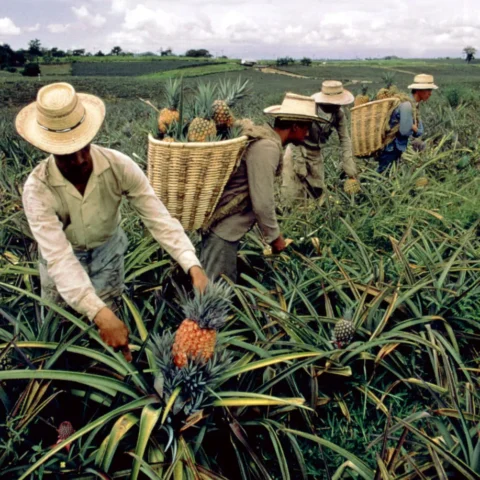
Commercial cultivation involves selecting suitable planting material, preparing the land, managing weeds, applying nutrients, monitoring pests and diseases, and harvesting the fruit at the appropriate stage of maturity.
Pineapple plants can be propagated using planting materials such as crowns, slips, and suckers. The time required to produce a harvest depends on the variety, planting material, environmental conditions, and cultivation practices.
Proper harvesting is important because pineapple does not continue to accumulate substantial sweetness after it has been detached from the plant. While colour and aroma can change during handling and storage, harvesting at the correct maturity stage helps ensure better eating quality.
Post-harvest management is equally important. Fruit should be handled carefully to reduce bruising and physical damage. Suitable storage temperatures, ventilation, packaging, and transport conditions help preserve quality and extend shelf life.
Sustainable pineapple production can involve responsible water management, efficient nutrient application, integrated pest management, soil conservation, and improved use of agricultural by-products.
Pineapple leaves and other plant residues may offer opportunities for composting, fibre extraction, or other forms of value-added processing, depending on local technology and market demand.
These practices can help reduce waste, improve resource efficiency, and support a more sustainable agricultural supply chain.
9. Pineapple in the Malaysian Economy
Pineapple has an established place in Malaysia’s agricultural landscape and food culture. Its cultivation provides opportunities for farmers, agricultural entrepreneurs, processors, distributors, retailers, and exporters.
Malaysian pineapples can be marketed through several channels, including traditional markets, supermarkets, hotels, restaurants, food manufacturers, and international trading networks.
The domestic market benefits from fresh pineapple consumption and the use of pineapple in local cooking. Meanwhile, processed products such as canned pineapple, juice, dried fruit, jams, and other pineapple-based ingredients provide opportunities for businesses seeking to diversify their offerings.
International markets can create further opportunities, especially when suppliers are able to meet buyers’ requirements for quality, food safety, consistency, packaging, and delivery.
For Malaysian exporters, successful market development requires an understanding of consumer preferences, import regulations, phytosanitary requirements, transportation costs, and post-harvest handling.
Different markets may prefer different fruit sizes, varieties, levels of ripeness, packaging formats, and product specifications. Maintaining reliable quality is therefore essential for building long-term commercial relationships.
Pineapple also has potential for value-added development. Rather than selling only fresh fruit, businesses may explore processed pineapple products, frozen pineapple pieces, dried pineapple, juice concentrates, and ingredients for the food service industry.
Such opportunities can help create additional value throughout the supply chain, provided that investment, market demand, processing capacity, and regulatory requirements are carefully evaluated.
10. How to Choose, Store, and Enjoy Pineapple
Choosing a good pineapple begins with examining its appearance and condition. Select fruit that feels firm and heavy for its size, with a fresh appearance and no major soft spots, leaking areas, or signs of mould.
A pleasant, sweet aroma near the base can indicate ripeness, although aroma alone is not a perfect test. External colour also varies by variety, so a greenish pineapple is not necessarily unripe.
Once purchased, an intact pineapple can be kept at a suitable room temperature for a short period or refrigerated to help preserve its quality. Storage duration depends on the fruit’s maturity and the surrounding conditions.
After cutting, pineapple should be placed in a clean, covered container and refrigerated promptly. Use clean knives and cutting boards, and wash the outside of the fruit before cutting to reduce the risk of transferring surface contamination to the flesh.
Cut pineapple is best consumed within a few days when properly refrigerated. Discard fruit showing signs of spoilage, including mould, unusual fermentation, or an unpleasant smell.
For the best eating experience, serve pineapple chilled, combine it with other fresh fruits, or add it to a meal that benefits from its natural sweetness and acidity.
11. Important Considerations When Eating Pineapple
Although pineapple is nutritious and generally safe for most people, there are several considerations worth remembering.
First, pineapple’s acidity may cause discomfort for people who experience acid reflux, mouth irritation, or sensitivity to acidic foods. Individuals who notice symptoms after eating pineapple may benefit from reducing their portion size or avoiding it when symptoms occur.
Second, some people experience temporary tingling or irritation in the mouth after eating fresh pineapple. This may be associated with acidity and the action of bromelain on the mouth’s surface. However, symptoms such as swelling of the lips or tongue, difficulty breathing, or widespread hives may indicate a serious allergic reaction and require urgent medical attention.
Third, pineapple contains natural sugars. People who need to manage their carbohydrate intake should consider portion sizes and follow any individual dietary guidance they have received from their healthcare professionals.
Finally, pineapple supplements containing concentrated bromelain are different from ordinary pineapple fruit. Anyone considering such supplements should review their suitability with a qualified healthcare professional, particularly if they take regular medication or have a planned surgical procedure.
For most people, fresh pineapple can be enjoyed safely as part of a varied and balanced diet.
12. Conclusion: A Golden Treasure of the Tropics
Pineapple is a remarkable tropical fruit that brings together flavour, nutrition, culinary creativity, and economic opportunity.
Its sweet-and-tangy taste, refreshing juiciness, distinctive aroma, and golden appearance make it a favourite for fresh consumption. At the same time, its versatility allows it to be used in beverages, salads, savoury meals, marinades, baked goods, desserts, and a wide variety of processed food products.
Nutritionally, pineapple provides vitamin C, manganese, water, dietary fibre, and naturally occurring plant compounds. Its bromelain enzymes also make it particularly interesting for food preparation and scientific research, although its health effects should not be exaggerated.
From family kitchens to restaurants, hotels, food-processing facilities, and international markets, pineapple continues to demonstrate its value in many different settings.
For agricultural producers and businesses, it offers opportunities to develop fresh-fruit markets, introduce value-added products, and strengthen connections between tropical agriculture and global consumers.
As interest in diverse food experiences and tropical produce continues, pineapple remains a compelling example of how a simple fruit can contribute to enjoyable meals, balanced nutrition, agricultural livelihoods, and international trade.
Whether eaten fresh on a sunny afternoon, served as part of a beautifully prepared meal, or transformed into a delicious tropical beverage, pineapple delivers a distinctive taste of the tropics in every bite.
Pineapple is more than a fruit. It is a golden expression of nature’s flavour, versatility, and abundance.


